Featured
Not known Details About Everything to Know In the Student Loans & Debt Counseling: How APFSC Can Help Journey
Table of Contents
Picture Are enrolled in the California Alternating Rates for Energy (TREATMENT) or Family Electric Price Support (FERA) program. Have actually made at least one on-time settlement in the previous 24 months.
Clients who enlist in the AMP program are not eligible for installment plans. Internet Power Metering (NEM), Straight Gain Access To (DA), and master metered consumers are not currently qualified. For customers preparing on moving within the following 60 days, please apply to AMP after you've established service at your brand-new move-in address.
The catch is that nonprofit Credit report Card Debt Mercy isn't for everyone. InCharge Debt Solutions is one of them.
"The other highlight was the perspective of the therapist that we can get this done. I was seeming like it wasn't going to happen, but she maintained with me, and we obtained it done." The Bank Card Mercy Program is for individuals that are thus far behind on charge card settlements that they are in major economic difficulty, possibly facing personal bankruptcy, and don't have the revenue to catch up."The program is particularly made to assist customers whose accounts have actually been charged off," Mostafa Imakhchachen, customer care specialist at InCharge Financial obligation Solutions, said.
How The Benefits to Consider of Student Loans & Debt Counseling: How APFSC Can Help can Save You Time, Stress, and Money.
Financial institutions who participate have agreed with the not-for-profit credit history counseling company to accept 50%-60% of what is owed in dealt with month-to-month repayments over 36 months. The fixed settlements mean you recognize exactly how much you'll pay over the repayment period. No passion is charged on the equilibriums during the reward period, so the repayments and amount owed don't transform.
It does reveal you're taking an energetic duty in reducing your debt., your credit report score was already taking a hit.
The therapist will certainly assess your finances with you to determine if the program is the right alternative. The review will certainly include a consider your month-to-month earnings and expenses. The agency will certainly pull a credit scores report to comprehend what you owe and the degree of your hardship. If the forgiveness program is the most effective solution, the therapist will send you an agreement that details the plan, consisting of the amount of the regular monthly payment.
When everybody concurs, you begin making regular monthly settlements on a 36-month strategy. When it mores than, the agreed-to quantity is gotten rid of. There's no fine for settling the balance early, but no extensions are enabled. If you miss a settlement, the contract is nullified, and you have to leave the program. If you believe it's an excellent option for you, call a counselor at a nonprofit credit report therapy agency like InCharge Financial obligation Solutions, that can answer your questions and help you establish if you certify.
How Pricing Honesty That Student Loans & Debt Counseling: How APFSC Can Help Experts Don't Have can Save You Time, Stress, and Money.
Since the program permits borrowers to work out for much less than what they owe, the financial institutions that participate desire peace of mind that those who capitalize on it would certainly not have the ability to pay the sum total. Your charge card accounts likewise should be from financial institutions and credit score card firms that have actually accepted get involved.
Equilibrium needs to go to least $1,000.Agreed-the equilibrium has to be settled in 36 months. There are no extensions. If you miss a payment that's simply one missed payment the agreement is terminated. Your creditor(s) will certainly cancel the strategy and your equilibrium returns to the original amount, minus what you have actually paid while in the program.
With the forgiveness program, the financial institution can rather select to maintain your debt on guides and recoup 50%-60% of what they are owed. Nonprofit Bank Card Financial obligation Forgiveness and for-profit financial debt settlement are comparable in that they both supply a means to settle debt card debt by paying less than what is owed.
How Calculating What You'll Pay for Bankruptcy Counseling can Save You Time, Stress, and Money.
Credit history card forgiveness is created to cost the consumer less, repay the financial obligation quicker, and have fewer drawbacks than its for-profit counterpart. Some crucial areas of difference in between Charge card Debt Forgiveness and for-profit financial debt settlement are: Charge card Financial debt Mercy programs have partnerships with lenders who have actually concurred to participate.
Once they do, the benefit duration starts immediately. For-profit financial debt settlement programs discuss with each creditor, typically over a 2-3-year period, while rate of interest, costs and calls from financial obligation enthusiasts continue. This indicates a bigger hit on your credit record and credit history, and a raising equilibrium till settlement is finished.
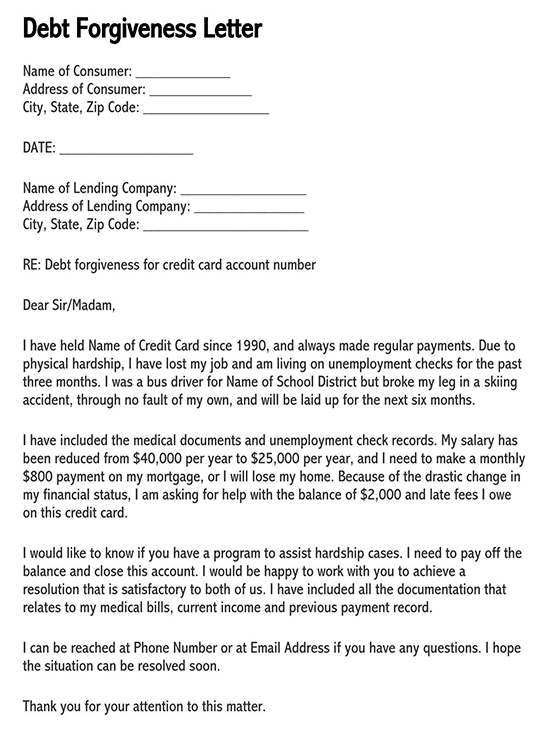
Charge Card Financial debt Forgiveness customers make 36 equivalent monthly repayments to remove their financial obligation. The repayments most likely to the creditors till the agreed-to balance is eliminated. No interest is charged throughout that duration. For-profit financial obligation settlement customers pay into an escrow account over an arrangement duration towards a lump amount that will be paid to creditors.

Table of Contents
Latest Posts

The Facts About Complimentary Accessible Debt Counseling Workshops for Families Uncovered

An Unbiased View of APFSC Philosophy with Individuals
How to Not Repeat the Same Patterns After Debt Relief Fundamentals Explained
More
Latest Posts
The Facts About Complimentary Accessible Debt Counseling Workshops for Families Uncovered
An Unbiased View of APFSC Philosophy with Individuals
How to Not Repeat the Same Patterns After Debt Relief Fundamentals Explained